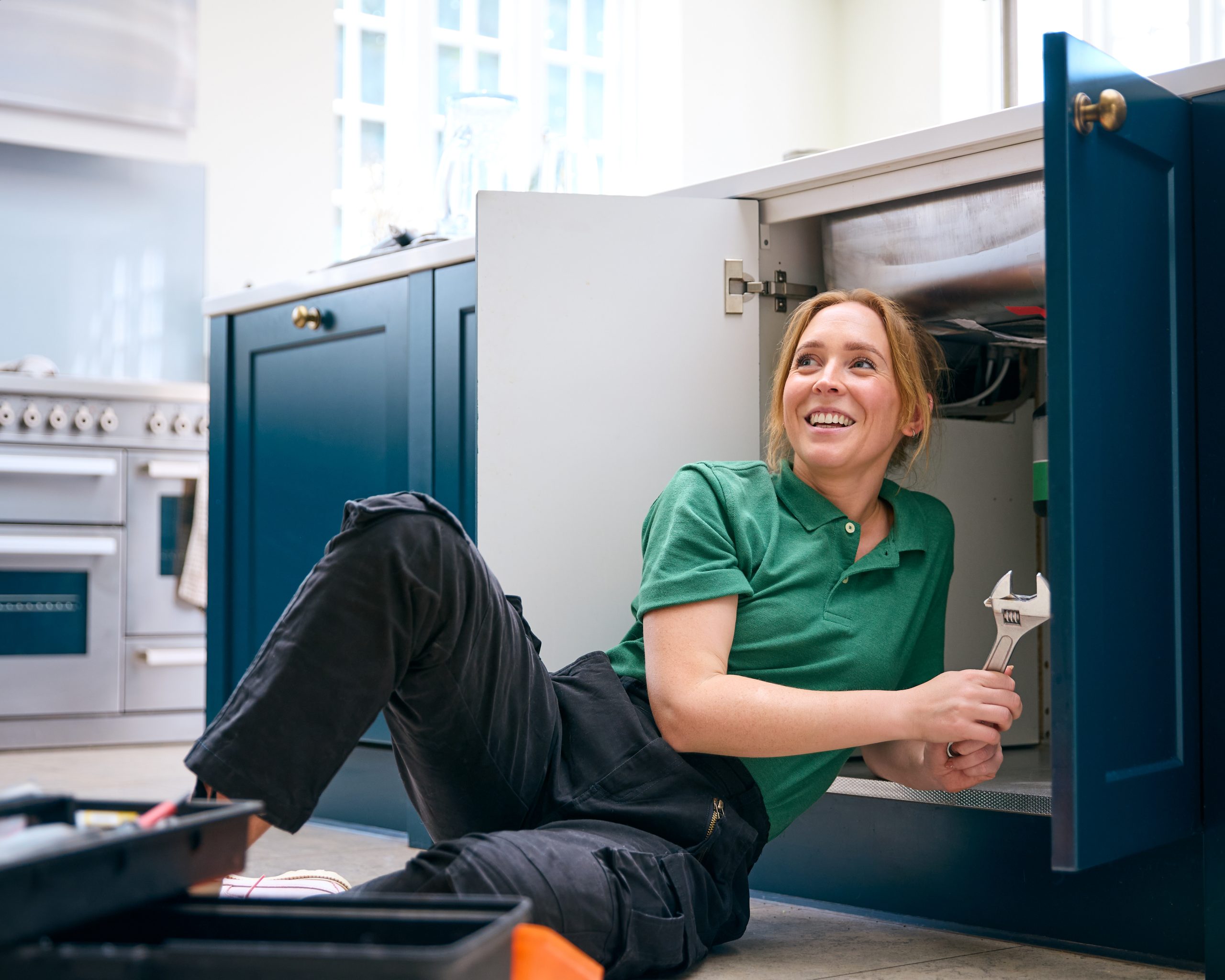
Plumbing
At Build Together Partnerships, we believe that every plumbing problem deserves a swift and effective solution, which is why we take great pride in our ability to connect you with top-notch plumbers who are not only skilled but also reliable and friendly. Our dedicated approach means we take the time to understand your specific needs, whether it’s an urgent leak or a planned installation, ensuring that we find the perfect match for your situation. With our extensive network of vetted professionals, you can rest assured that your plumbing issues will be handled with expertise and care, allowing you to relax. Trust us to turn your plumbing concerns into seamless solutions, making your satisfaction our top priority.
We will connect you with the best plumbers to suit your availablity and requirments
At Build Together Partnerships, we recognise that plumbing issues can significantly impact your daily routine, which is why we simplify the process of locating trustworthy plumbers for you. Our committed team works diligently to match you with exceptional professionals who meet your unique requirements, ensuring their availability aligns with your schedule and their location is convenient for you. By focusing on your priorities, we enable you to concentrate on what truly matters while we take care of your plumbing concerns. Allow us to pave the way for dependable plumbing solutions, granting you peace of mind so you can return to what you enjoy.
Plumbing FAQs
What services do plumbers offer?
Plumbers provide a wide range of services, including:
- Repairing and installing pipes for water, gas, and sewage systems.
- Fixing leaks, clogs, and blockages in sinks, toilets, and drains.
- Installing and repairing water heaters, dishwashers, and other appliances.
- Bathroom and kitchen remodels, including installing new fixtures (faucets, showers, toilets).
- Septic system installation and maintenance.
- Emergency repairs like burst pipes or sewer line blockages.
How much do plumbing services cost?
Plumbing costs vary based on the complexity of the job. Simple repairs like fixing a leaky faucet may range from £80 to £150, while more complex jobs, like replacing a water heater, can cost £600 to £1150 or more. Hourly rates for plumbers are typically between £60 and £120 per hour, depending on location and expertise.
What should I do if I have a plumbing emergency?
In a plumbing emergency:
- Turn off the main water supply to prevent flooding.
- If there is a gas issue, turn off the gas supply and evacuate the area.
- Call a licensed plumber immediately for repairs. Common plumbing emergencies include burst pipes, blocked drains, gas leaks, and severe leaks that cause flooding.
How do I prevent my pipes from freezing in winter?
To prevent pipes from freezing:
- Insulate exposed pipes, especially in unheated areas like basements, attics, or garages.
- Keep a slow drip of water running from faucets during extreme cold to prevent pressure build-up.
- Seal leaks or cracks in walls near pipes to block cold air.
- Open cabinet doors under sinks to allow warm air to circulate around the pipes.
How do I know if I have a water leak?
Signs of a water leak include:
- Higher-than-usual water bills.
- Wet spots on walls, ceilings, or floors.
- The sound of running water when no faucets are on.
- Mold or mildew growth.
- Low water pressure. If you suspect a leak, it’s important to call a plumber quickly to avoid water damage.
What should I do if my drain is clogged?
For minor clogs:
- Try using a plunger to clear the blockage.
- Use a drain snake or a store-bought chemical drain cleaner (though chemicals should be used sparingly, as they can damage pipes).
- Avoid pouring grease, coffee grounds, or hair down the drain to prevent future clogs. If the clog persists, call a plumber for professional drain cleaning.
How often should I replace my water heater?
Water heaters typically last 8 to 12 years. Signs that you may need to replace yours include:
- Inconsistent hot water.
- Rusty water from taps.
- Loud noises like popping or banging from the heater.
- Leaks around the water heater. If your water heater is over a decade old and showing these signs, it’s likely time for a replacement.
Why is my water pressure low?
Common causes of low water pressure include:
- Clogged pipes due to mineral buildup or debris.
- Leaking pipes, which reduce water flow.
- Problems with your water supply, such as a faulty pressure regulator.
- Issues with the municipal water supply or mainline blockages. A plumber can inspect your system to identify and resolve the issue.
What is a sump pump, and do I need one?
A sump pump is a device installed in the basement or crawl space to prevent flooding by pumping water out of the building. If your home is in a low-lying area, prone to flooding, or has a history of water accumulation in the basement, you may benefit from installing a sump pump.
Can I install a new toilet or faucet myself?
While it’s possible to install a new toilet or faucet yourself, it requires knowledge of plumbing connections, proper tools, and ensuring watertight seals. Improper installation can lead to leaks and water damage. For a foolproof and hassle-free installation, it’s best to hire a professional plumber.
Why does my toilet keep running?
A running toilet is usually caused by:
- A faulty flapper that doesn’t seal properly.
- The fill valve may be stuck open.
- The float is incorrectly adjusted, causing the water level to rise too high. These parts are inexpensive to replace, and a plumber can quickly diagnose and fix the issue.
What is a backflow preventer, and do I need one?
A backflow preventer is a device that stops contaminated water from flowing back into your clean water supply. It’s essential in homes or businesses where the water system is connected to potentially hazardous areas (e.g., irrigation systems, swimming pools). In some areas, building codes may require backflow prevention to protect the public water supply.
How do I maintain my plumbing system?
To maintain your plumbing system:
- Check for leaks regularly and fix them promptly.
- Clean drains with non-corrosive cleaners or a mixture of baking soda and vinegar.
- Avoid pouring grease or food waste down the kitchen sink.
- Inspect water heaters, sump pumps, and appliances annually.
- Have a professional inspection every couple of years to spot potential issues before they become major problems.
Why does my sink drain slowly?
Slow drains are typically caused by:
- A partial clog in the drain or P-trap (hair, food, or soap buildup).
- Mineral deposits in older pipes.
- A problem with the venting system, which allows air to flow freely through the pipes. Simple clogs can be fixed with a plunger or drain cleaner, but for persistent issues, a plumber may need to inspect the system.
How do I prevent clogs in my pipes?
To prevent clogs:
- Avoid flushing anything other than toilet paper in the toilet.
- Use sink strainers to catch hair, food particles, and other debris.
- Never pour grease, oils, or fats down the drain; instead, let them cool and dispose of them in the trash.
- Run hot water through the drains regularly to clear out buildup. Regular maintenance like drain cleaning can help prevent future blockages.
What causes water discoloration?
Discolored water can be caused by:
- Rusty pipes, especially in older homes with galvanized plumbing.
- Sediment buildup in the water heater, which can release rust-colored water.
- Issues with the municipal water supply or nearby construction disturbing the water mains. If you notice discolored water, it’s wise to contact a plumber to determine if the problem is in your home’s plumbing or from the public water supply.
What is hard water, and how do I treat it?
Hard water contains high levels of calcium and magnesium, which can cause scale buildup in pipes and appliances, reduce water pressure, and leave spots on dishes. To treat hard water, you can install a water softener. A plumber can help determine if a softener is needed and handle the installation.
What is hydro jetting, and when is it needed?
Hydro jetting is a method of clearing pipes using a high-pressure stream of water to remove blockages, grease, and debris. It is especially useful for stubborn clogs or buildup in the sewer line. Hydro jetting is typically done by a professional plumber when other methods, like snaking, are ineffective.
What should I do if my water bill is unusually high?
A high water bill could indicate:
- A hidden leak, such as a leaking toilet or underground pipe.
- Running toilets or faucets.
- Irrigation systems running longer than necessary.
- Faulty appliances like water heaters or dishwashers. If you can’t identify the cause, it’s a good idea to call a plumber to inspect your system for leaks or inefficiencies.
Why does my faucet drip, and how can I fix it?
Dripping faucets are typically caused by:
- Worn-out washers or seals.
- A corroded valve seat.
- A problem with the O-rings. Replacing these small parts can usually stop the leak. If you’re unsure how to disassemble the faucet, or the problem persists, a plumber can quickly repair or replace it.
You are in trustworthy hands to find the perfect plumber
Say goodbye to the stress of finding what you need as we take that challenge into your own hands