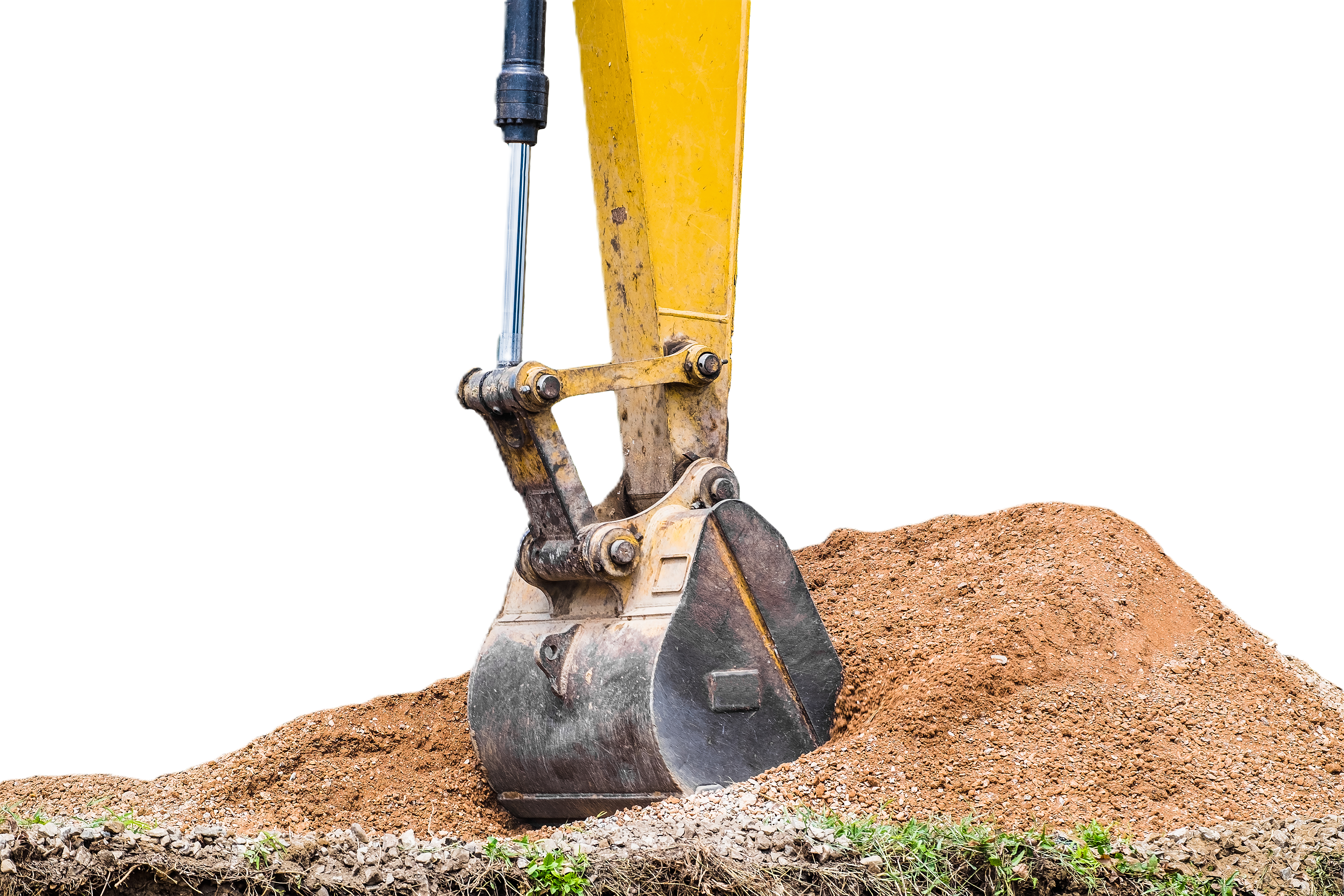
Groundworks
Our precise and groundbreaking work will guarantee
Structural Security
Done Efficiently And Quickly
Worry Free
At Build Together Partnerships, we take immense pride in our dedicated team of professionals who bring experience and expertise to every project, ensuring that your building needs are met with the utmost efficiency and care.
If groundwork is something you require
Groundworks FAQs
What does groundwork involve?
Groundwork refers to all the preparation work done before construction begins. It includes tasks like clearing the site, excavation, installing drainage, laying foundations, and preparing surfaces for building. Groundwork is essential for ensuring the stability and longevity of any construction project.
How much does groundwork cost?
The cost of groundwork depends on the size and complexity of the project, the condition of the land, and the materials used. For residential projects, groundwork typically ranges from £8 to £40 per square foot. Larger or more complex sites, such as those with poor soil conditions or requiring deep excavation, can increase costs.
How long does groundwork take?
The duration of a groundwork project depends on its size and scope. Simple groundwork for small structures like patios or driveways might take a few days, while more complex projects such as foundations for homes or commercial buildings can take several weeks. Weather conditions and unforeseen site issues can also affect the timeline.
What types of groundwork services are available?
Groundwork services can include:
- Excavation: Removing earth to prepare for foundations or utilities.
- Drainage installation: Creating systems to manage water runoff and prevent flooding.
- Foundation laying: Preparing the base of the structure, whether concrete, piles, or slabs.
- Site clearance: Removing vegetation, debris, and obstacles from the site.
- Landscaping and grading: Shaping the land for proper drainage and layout.
- Utilities installation: Laying pipes, cables, and other infrastructure for water, gas, and electricity.
Why is drainage important in groundwork?
Proper drainage is essential to prevent water from accumulating on your site, which can cause erosion, flooding, or even damage to the foundation. Installing adequate drainage ensures that rainwater is directed away from the building and into appropriate channels or soakaways, protecting the structure in the long term.
What types of foundations are used in groundwork?
The most common foundation types include:
- Strip foundations: Used for most homes, where a trench is dug and filled with concrete.
- Raft foundations: A large concrete slab supporting the entire structure, typically used on weaker soil.
- Piled foundations: Deep foundations using columns driven into the ground, ideal for unstable or soft ground. The choice depends on the building design and the soil conditions.
How do I know if my land needs grading?
Grading ensures that water drains away from structures, which prevents pooling and damage. If your land is uneven or sloped in a way that could direct water toward your home or other buildings, grading may be necessary. A groundwork contractor can assess the site and recommend proper grading to improve drainage and stability.
Do I need planning permission for groundwork?
In most cases, groundwork itself does not require planning permission, but it depends on your local regulations and the scope of the project. If you are altering drainage systems, laying foundations for a new building, or working in a protected area, you may need permission. It’s best to consult your local planning authority to ensure compliance.
What kind of equipment is used in groundwork projects?
Groundwork projects often require heavy machinery such as:
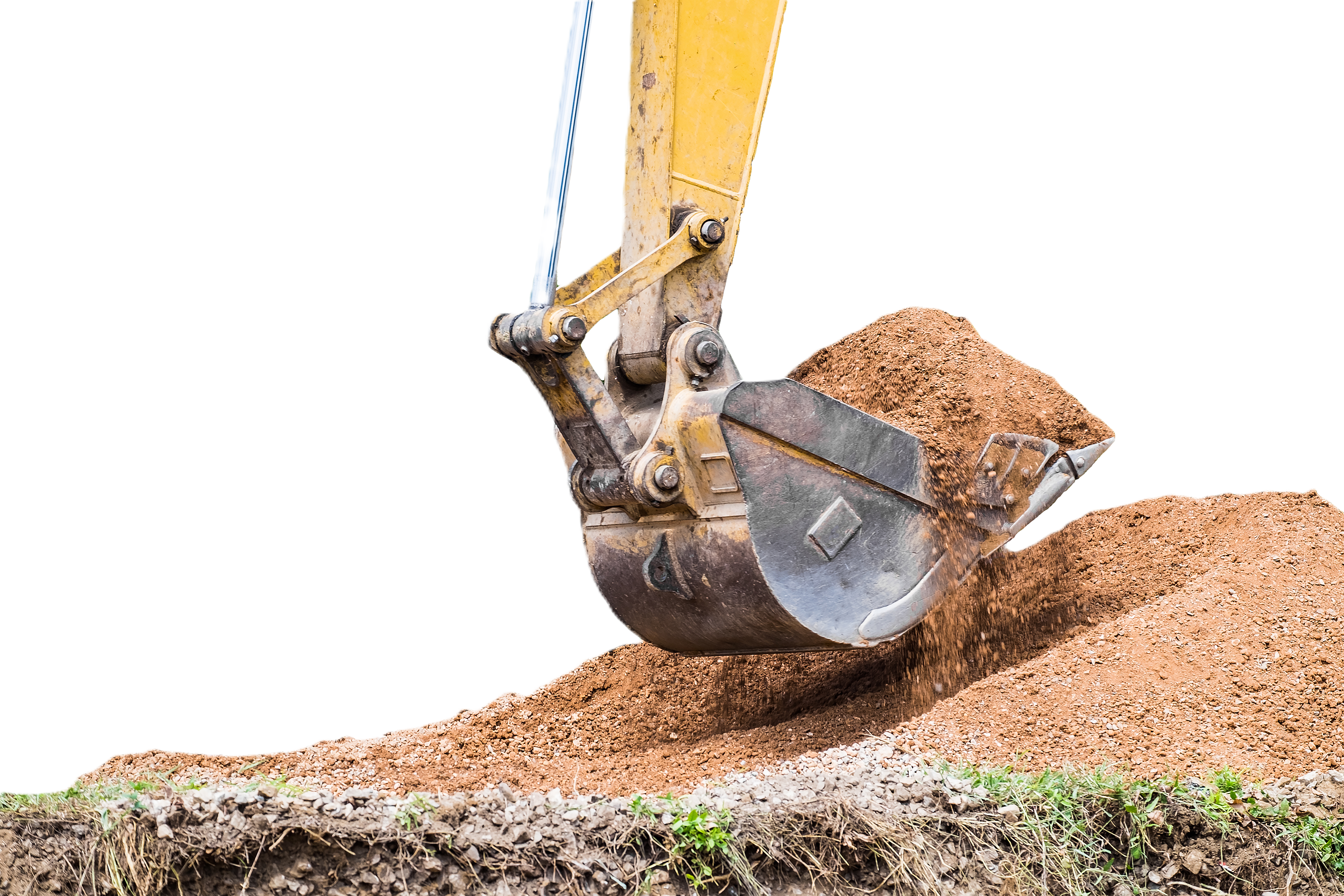
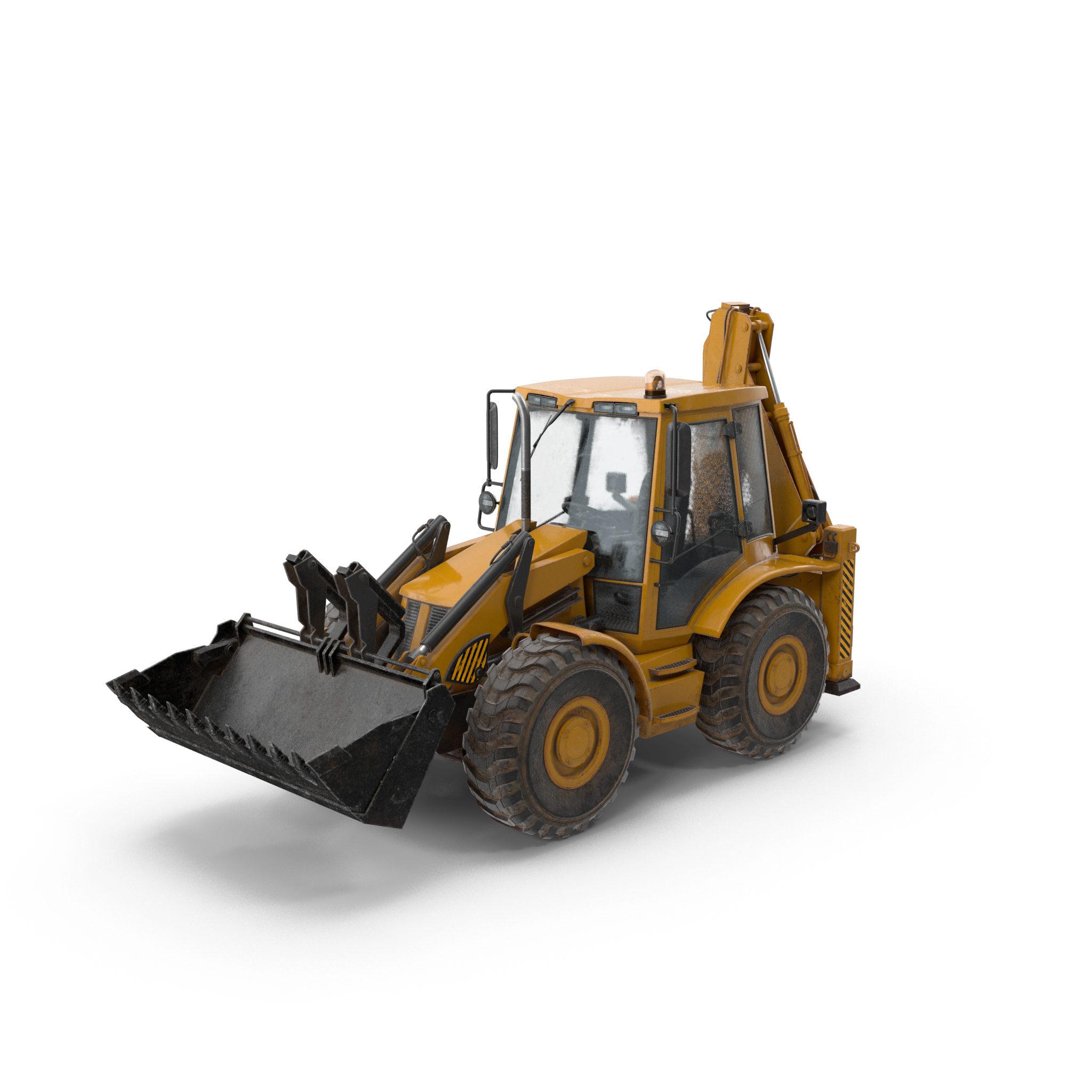
- Excavators: To dig and move earth.
- Bulldozers: For clearing and leveling the ground.
- Dump trucks: To transport soil, rocks, or debris.
- Compactors: To compress the soil for a stable foundation. The specific equipment will depend on the project’s needs.
Can groundwork be done in bad weather?
While some groundwork tasks can continue in mild rain, heavy rain, snow, or extreme cold can delay projects. Wet or frozen ground can make excavation and foundation work difficult or unsafe. Contractors may pause work in severe weather to avoid compromising the quality and safety of the project.
How do I prepare my site for groundwork?
Preparation often includes clearing the site of any obstacles, such as trees, bushes, and old structures. You may also need to mark property lines and work areas, ensure access for heavy machinery, and arrange for any necessary permits. Your groundwork contractor can help with much of this preparation.
What is soil compaction, and why is it important?
Soil compaction is the process of compressing the soil to make it denser and more stable. This is critical before laying foundations to ensure the ground can support the weight of the structure without settling or shifting, which could cause cracks or structural issues in the future.
What factors affect the cost of groundwork?
Several factors influence the cost of groundwork, including:
- Soil type and condition: Soft or unstable soil may require deeper excavation or special foundations.
- Site accessibility: Hard-to-reach sites can increase labor and equipment costs.
- Project size: Larger sites require more materials and labor.
- Drainage requirements: Complex drainage systems may add to the cost. Unforeseen issues, such as finding buried debris or poor soil conditions, can also increase the budget.
How do you test soil quality for groundwork?
A soil test, or geotechnical survey, analyzes the soil’s composition, strength, and stability. This helps determine whether the soil can support the proposed structure and what type of foundation is needed. Testing ensures the groundwork is designed to handle the specific conditions of the site.
What happens if you find issues during groundwork?
Issues such as unstable soil, underground utilities, or hidden debris can be uncovered during groundwork. If problems are found, the contractor will assess the situation and provide a plan to address it, which could involve altering the foundation type, adding drainage solutions, or removing obstructions. This may increase costs or extend the project timeline.
What’s the difference between excavation and grading?
Excavation involves digging out soil to prepare for foundations, utilities, or landscaping features. Grading, on the other hand, refers to the process of leveling or sloping the ground to ensure proper drainage and prepare the site for construction. Both are essential parts of groundwork.
How deep should foundations be?
The depth of foundations depends on factors like the type of structure, soil conditions, and local building codes. For most residential homes, foundations are typically between 1-3 meters deep, but in areas with unstable soil or large buildings, deeper foundations may be required.
Can groundwork affect neighboring properties?
Yes, certain groundwork activities like excavation, grading, or altering drainage can impact neighboring properties. Proper planning and communication are key to avoiding issues like water runoff or soil erosion that could affect adjacent land. In some cases, you may need to notify or get permission from neighbors before beginning.
What is a retaining wall, and do I need one?
Yes, certain groundwork activities like excavation, grading, or altering drainage can impact neighboring properties. Proper planning and communication are key to avoiding issues like water runoff or soil erosion that could affect adjacent land. In some cases, you may need to notify or get permission from neighbors before beginning.
How do you ensure a safe and stable foundation?
Ensuring a safe foundation involves several steps, including:
- Conducting a thorough soil analysis.
- Properly compacting the soil.
- Choosing the correct type of foundation based on the structure and soil conditions.
- Ensuring that drainage systems are in place to prevent water from weakening the foundation. Regular inspections throughout the groundwork process ensure stability and long-term durability.